
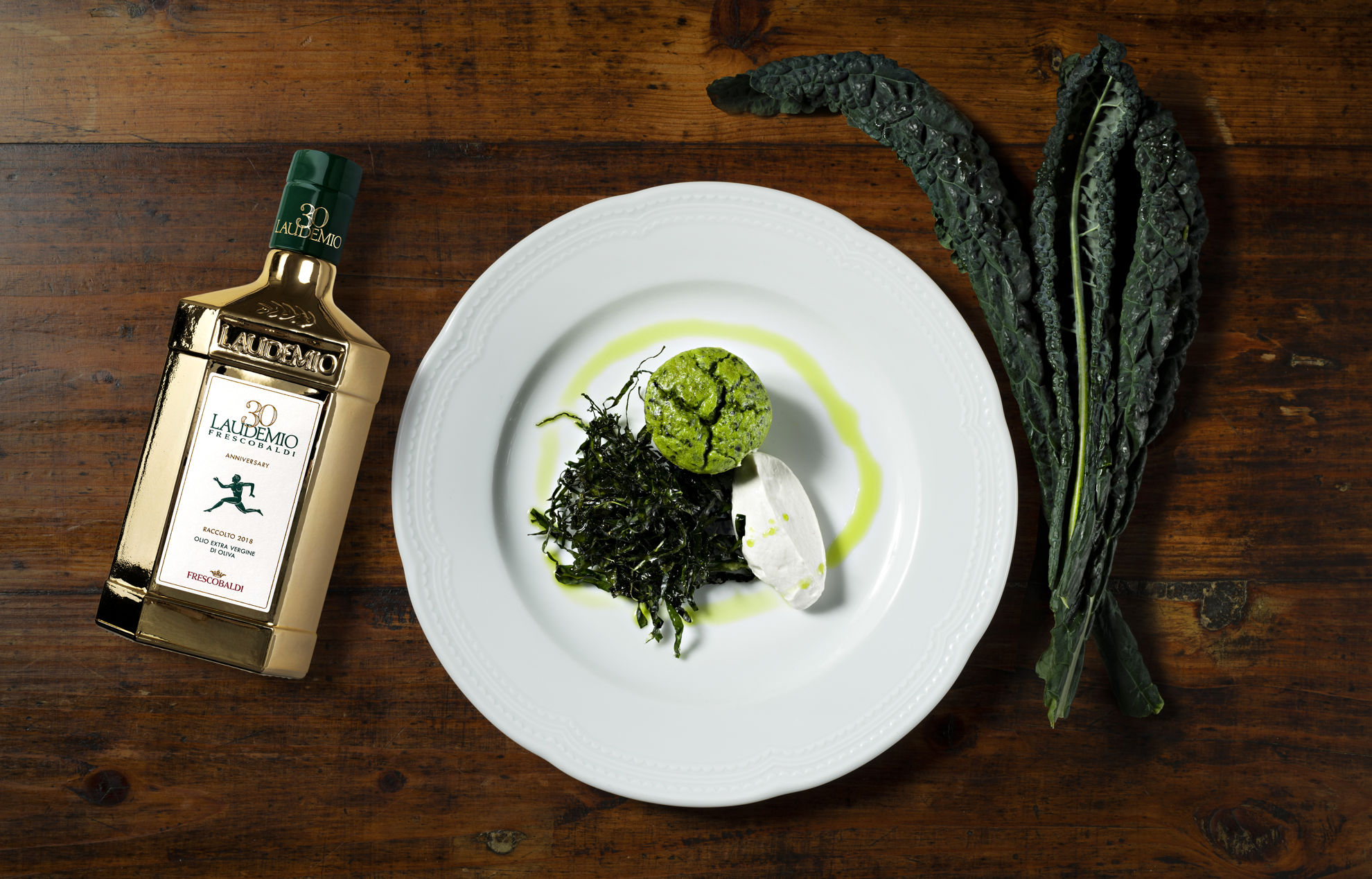
There are gestures in the kitchen that may seem small, yet completely transform the final result on the plate. One of these is adding extra virgin olive oil raw. It is more than a seasoning; it is the final flourish, the aromatic signature that completes a preparation, heightens its bouquet, and brings each ingredient into sharper focus.
Using raw cold pressed olive oil is a conscious choice - one that preserves its full sensory and nutritional richness, turning even the simplest recipe into a deeper, more refined culinary experience.
Raw Extra Virgin Olive Oil: A Simple Touch That Defines Your Dish
When we speak of using raw extra virgin olive oil, we refer to adding it at the end of preparation, without subjecting it to direct heat. It is precisely this decision that allows the oil to express its full character.
During cooking, some of the most delicate aromatic compounds naturally dissipate. When drizzled over a dish just removed from the heat or over fresh ingredients, the raw olive oil retains and gradually releases its aromatic and flavor profile.
Herbaceous notes, hints of almond, and nuances of artichoke or green tomato emerge with greater clarity, shaped by the olive variety and its terroir of origin. A simple yet essential gesture that lends balance, depth, and complexity to the dish.
The Benefits of Raw Extra Virgin Olive Oil: A Balance Between Flavor and Well-Being
Using raw extra virgin olive oil also preserves its nutritional values and integrity. Polyphenols - responsible for many of its aromatic characteristics and its signature bitterness and peppery finish - remain more stable when the oil is not exposed to high temperatures.
Likewise, vitamin E and monounsaturated fatty acids - widely recognized for their role in a balanced diet - remain fully available.
In this harmony between organoleptic excellence and nutritional value, raw olive oil becomes an ingredient that enriches a dish not only in flavor but also in culinary culture.
How to Choose the Best Olive Oil for Drizzling
Not all extra virgin olive oils express the same qualities, particularly when used raw. In this application, freshness, aromatic complexity, and the balance between bitterness and spice become especially evident.
For finishing and drizzling, it is advisable to select oils made from olives harvested at optimal ripeness and milled promptly after picking, preserving intensity and aromatic clarity.
An exceptional extra virgin olive oil such as Laudemio Frescobaldi becomes a true gastronomic ingredient - one that converses with other flavors and enhances their subtle nuances.
Light, Medium, or Robust: Selecting the Right Raw Olive Oil for Every Preparation
Extra virgin olive oil is traditionally classified as light, medium, or robust fruitiness: a useful distinction for achieving harmonious pairings.
A light, soft, and delicate oil accompanies subtle ingredients with elegance, such as white fish or fresh salads.
A medium fruitiness, balanced and versatile, enhances grilled vegetables, soups, and simple pasta dishes.
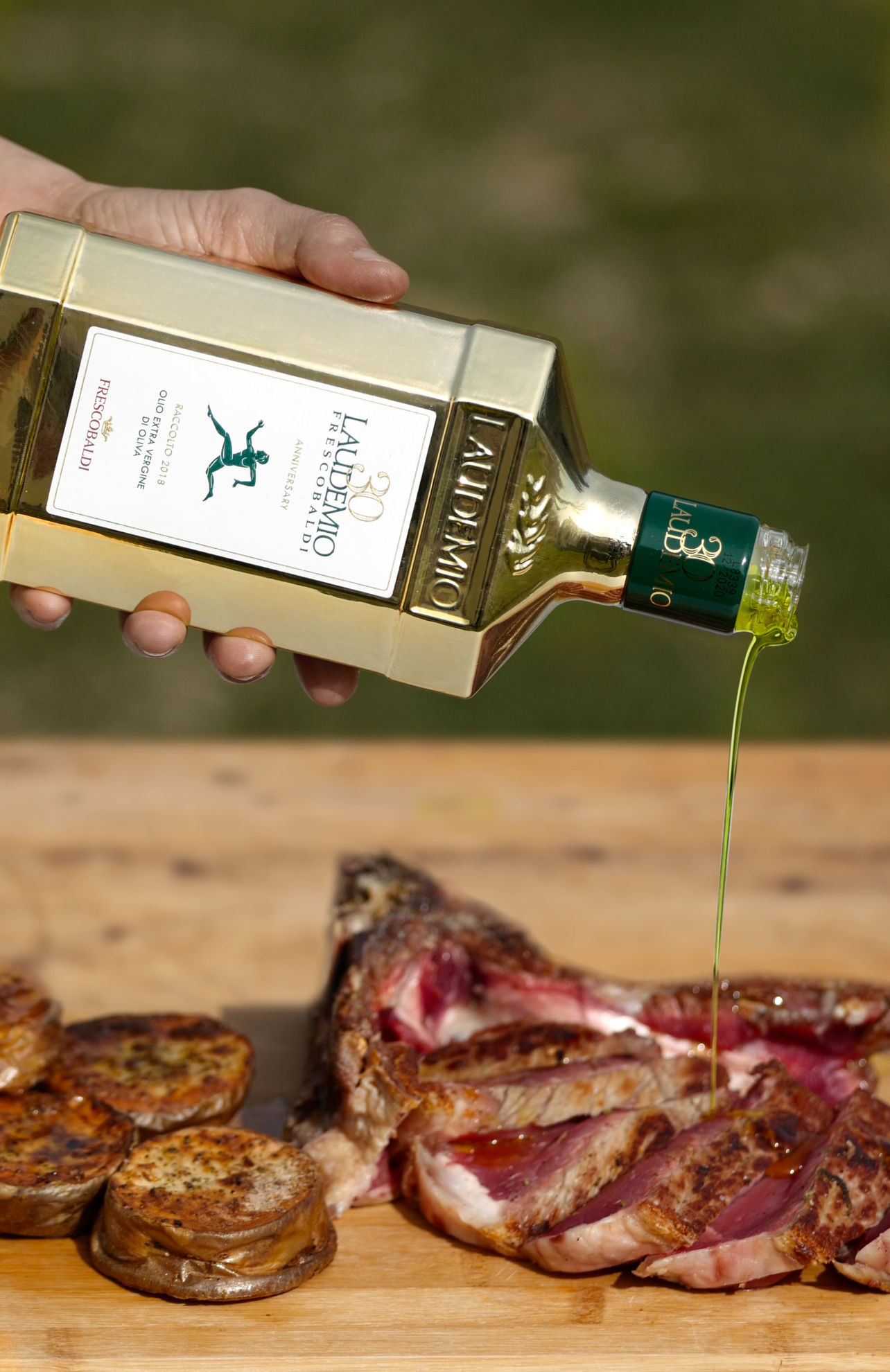
A robust oil, defined by pronounced aromatic structure and more evident bitterness and peppery notes, finds its ideal expression with legumes, red meats, and rustic bruschetta recipes, where it can assert its personality without overpowering the dish.
Perfect Pairings with Raw Extra Virgin Olive Oil
Using olive oil raw does not preclude its use in cooking. Understanding the distinction between finishing a dish and cooking with olive oil allows you to fully appreciate its versatility. Yet it is in its raw application that extra virgin olive oil reveals its most expressive aromatic dimension.
Proportion is equally essential. There is no need for excess; a few well-balanced drops can transform the overall perception of a dish. The oil should not mask flavors, but rather accompany, bind, and harmonize them.
Raw Olive Oil on Vegetables, Legumes, and Soups
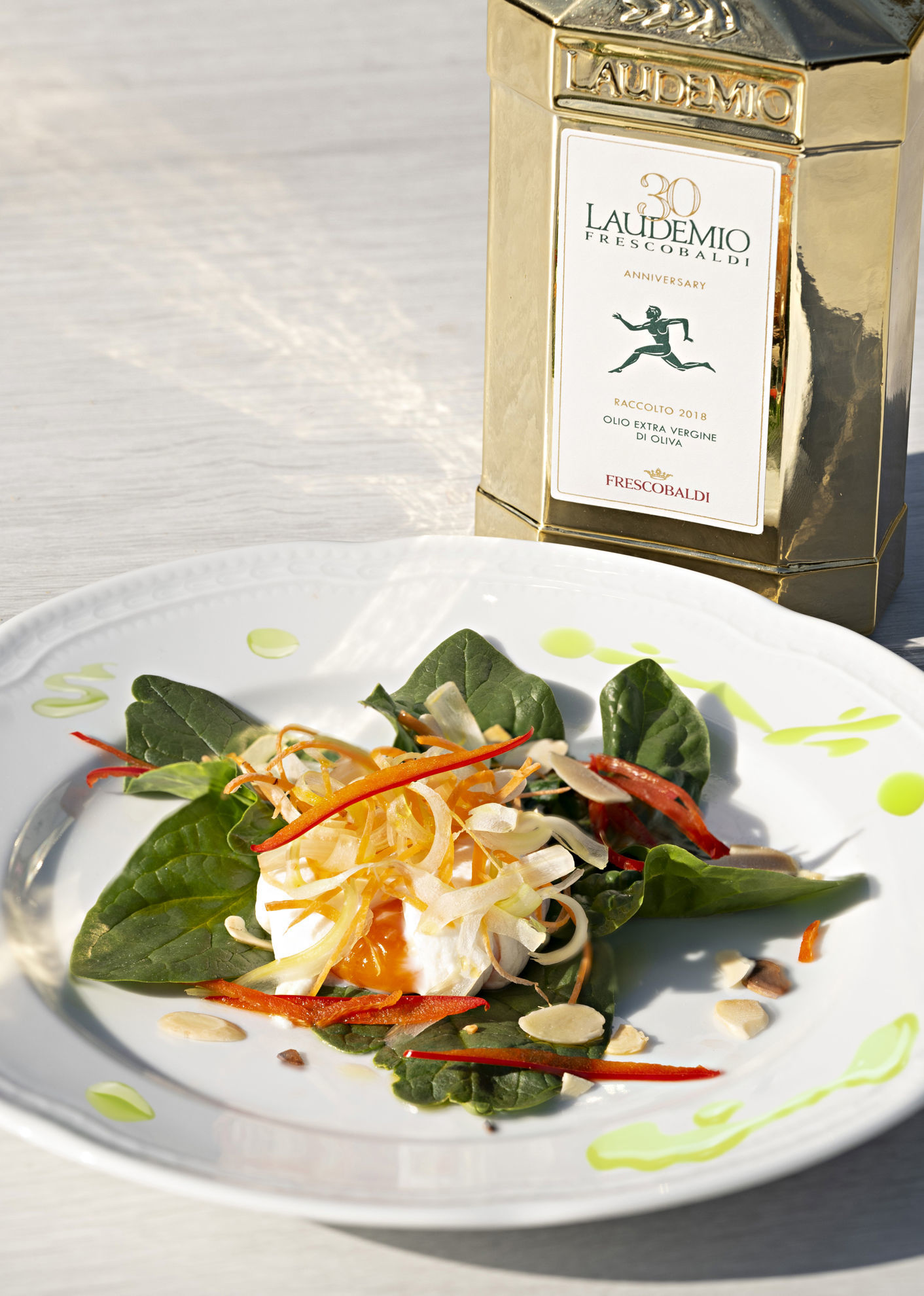
On raw vegetables — tomatoes, fennel, or mixed greens - olive oil adds roundness and intensifies freshness, becoming the defining element of many traditional vinaigrettes and salad dressings.
On steamed or grilled vegetables, added at the end of preparation, it revives flavor and heightens natural nuances. The same holds true for bruschetta, where the warmth of the bread encourages the release of the oil’s fruity notes.
Legumes and soups also find an ideal partner in raw olive oil. A velvety chickpea purée, a hearty grain soup, or a seasonal vegetable broth gains aromatic depth through the contrast between the warmth of the dish and the vibrant freshness of the oil.
Raw Extra Virgin Olive Oil on Fish, Meat, and Gourmet Preparations
Raw extra virgin olive oil also lends itself to more refined pairings. Drizzled over steamed or grilled fish, it enhances the delicacy of the flesh, adding freshness and vegetal complexity.
On white meats, carpaccio, or tartare, the oil becomes integral to the seasoning, contributing structure and dimension to the palate.
In more elaborate preparations - such as creamy risottos or dishes featuring fresh cheeses - raw olive oil can replace heavier fats, offering elegance, lightness, and aromatic depth.
Conclusion: Raw Olive Oil as a Signature Touch in Your Kitchen
Using extra virgin olive oil raw is a gesture that unites simplicity, dedication to quality, and respect for the ingredient itself. It is the most authentic way to appreciate the character of an exceptional oil, allowing its aromas to complete and define the dish.
Experimenting with pairings, measuring with intention, and selecting oils of true excellence transforms every preparation into a distinctive gastronomic experience.
With Laudemio Frescobaldi, raw olive oil becomes a true signature of style in the kitchen, a detail capable of elevating every dish while conveying, through taste, the culture and terroir from which it is born.